
December has found us, and I like to get started looking ahead at the new year a bit early. Mostly because I procrastinate too much and want to be ready when the inevitable questions about goals and dreams for the new year start to show up near New Years.
There are a number of creative tools I use for this but one that I’ve found the most helpful over the years is to create a vision board focused on my own creative journey.
Why Vision Boards Work for Creatives
For those who aren’t familiar with what a vision board is, it’s at its core a board where you place images of your vision. It servers two important functions. First it forces you to articulate your vision, and second when placed in a location you’ll see it often it serves as a daily reminder of your goals and your vision for your future.
These two actions, first the articulation of your goals followed up with a daily reminder can help you make those things happen. It is so easy to get lost in our day to day and to forget about our own goals. Having a vision board can solve this core problem for us.
There are lots of folks who will use words life manifestation and attraction to gloss over that core purpose of the vision board. Having a clear goal that you review daily will spark countless tiny changes that will keep you pointed towards your goal.
Choose Your Creative Theme for the Year
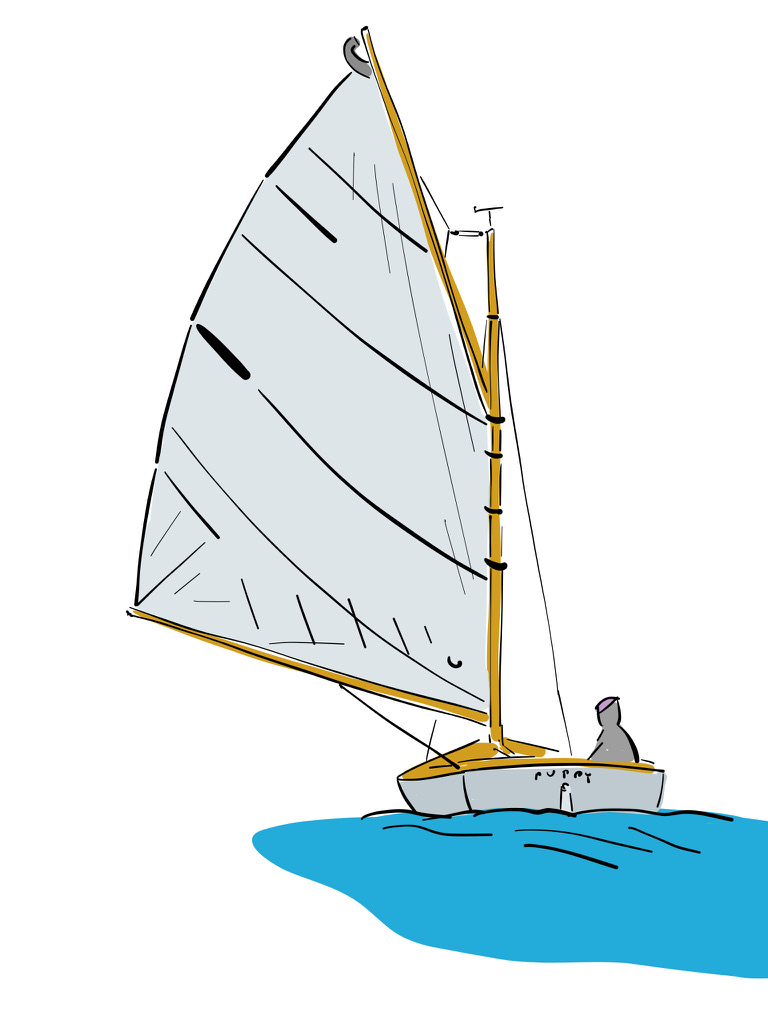
Step One in the development of a vision board comes from the overall vision you have for 2026, what are your overarching creative goals? Finish a book? Develop your illustration style? Or maybe get your online shop up after all these years and have your work offered for sale?
Journaling can help flush out what you really want for 2026, “What do I want to create more of in my life this year?” Is a good prompt to start from. One that I did and one that ended up with those three creative goals for my 2026.
But what does that look like?
Gather Your Inspiration Materials
Magazine clippings, printed photos, Pinterest boards, digital sketches. You’ll want more than just literal representations you’ll want images that evoke emotion or give you energy. If you’ll be building a physical board you’ll want to have a way to collect these images, if you’ll be doing a digital board you’ll want to have a folder on your computer where you can collect images.

Quotes, affirmations, power words (“practice,” “independence,” “wonder”) can also help to keep you focussed on your goals and intentions throughout the year. For this section I try to focus on behaviors and things that are in my control with a bit of forgiveness in them.
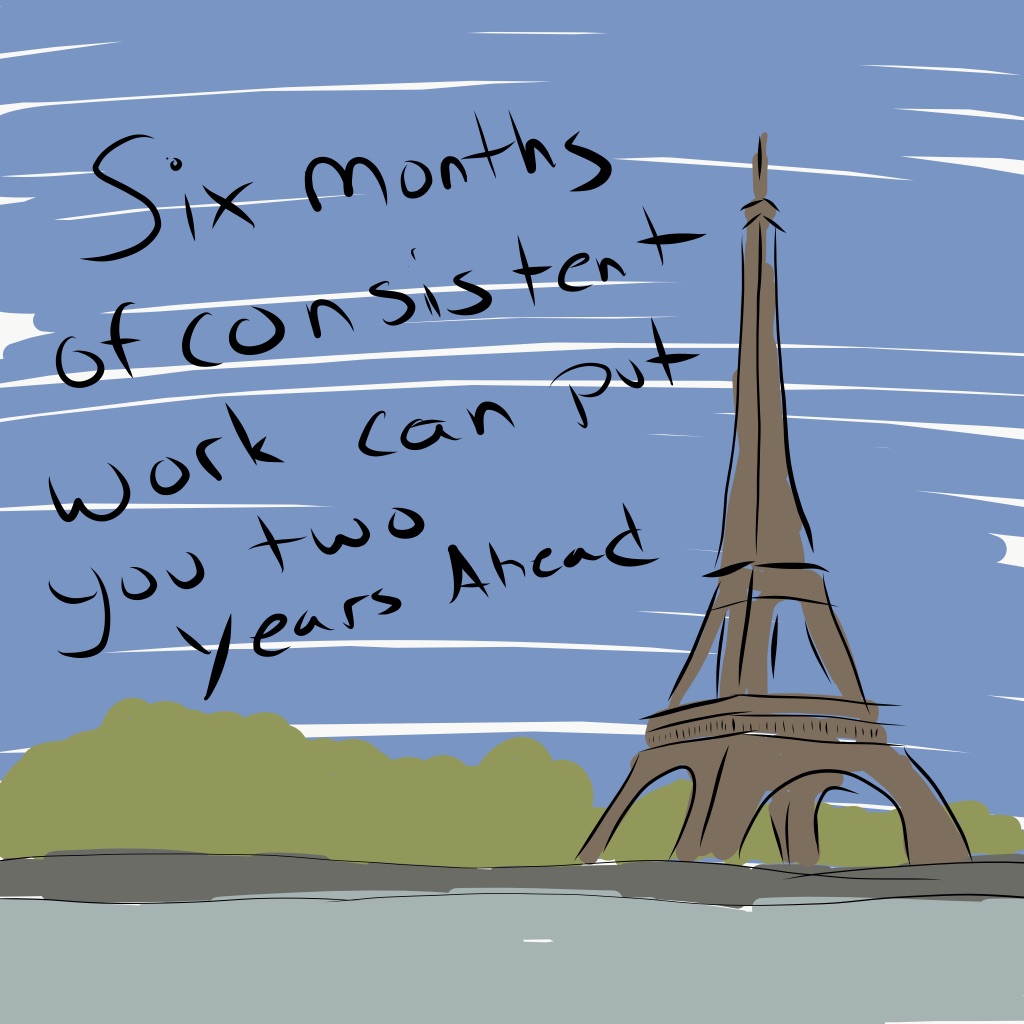
The goal is to keep moving forward not to fixate on something outside of our control. Hitting the NYT Bestseller list is a fun affirmation, but a more effective affirmation might be “I write daily”. What will you do. The destination it’s important though. If the goal is to write enough to buy you a new house then having the house front of mind can help you push through the difficult parts. Paul McCartney (of The Beatles for those too young) said in an interview “John and I literally used to sit down and say, ‘Now, let’s write a swimming pool’” (Rolling Stone Magazine Feb 1990). If it’s good enough for The Beatles it’s good enough for me.
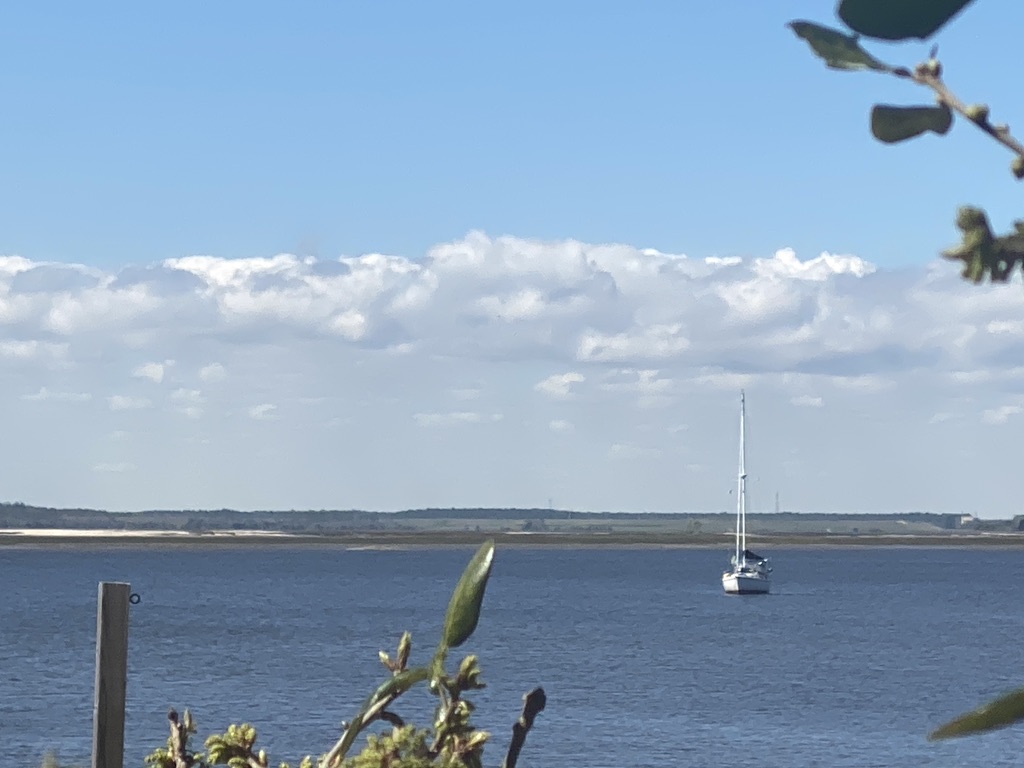
Other items such as fabric swatches, ticket stubs, postcards, pressed leaves. Bringing the tactile world into a vision board to spark deeper sensory creativity so don’t feel you need to be limited. The goal is to make your vision and your goals tangible so you can keep them front of mind all year long.
Build Your Board: Physical, Digital, or Hybrid
Choosing your board’s format often comes down to a single factor, where will you be able to physically pace your board so that you see it every day and are reminded of your goals for the year? This is why so many will tape an item or two on the mirror they brush their teeth at each day, why others will do a small cork board or poster board that lives on the dresser in their bedroom and why others choose a digital board that will live on their phone or laptop. Key is where will you see your board every day.
Physical Vision Board
There’s no wrong medium for a physical vision board. In its simplest form a few images of art that you aspire to can start the process. There are a few common ways to lay out your vision.
The simplest is to tape your materials to the edge of the mirror that you get ready in front of each morning. This will ensure that you review your vision each time you brush your teeth (hopefully twice a day). This doesn’t work so well if you are competing with others for the bathroom mirror each morning or if you don’t often have the same mirror to work from.
The other common approach is a small cork board that you can keep at your desk to refer to throughout the day or to place on your dresser to review each morning and evening. There is no need to go overwhelmingly large, even a small board can hold a big vision. Key is something that you can keep around the whole year.
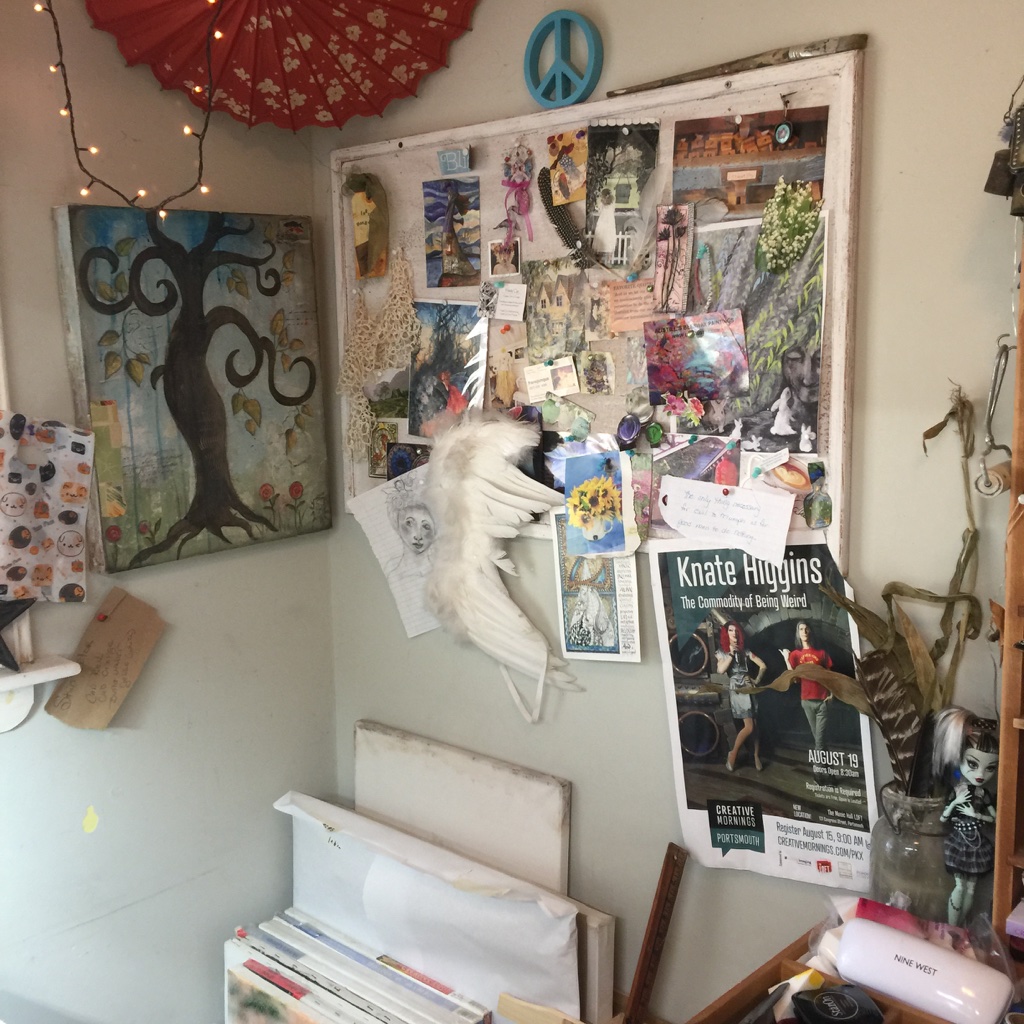
Another consideration is to ensure the board is able to be a work in progress. You may need to take a moment during the year to update your vision as you grow, you may need to celebrate a win and consider what’s possible after achieving your goal by June.
Let your intuition guide you as you lay out the images and phrases and words onto your board. The goal is to evoke emotion and to keep you focused on your desired path and actions throughout the day.
Digital Vision Board
A digital vision board is great for travelers or those working on computers all day and those without a physical space of their own for whatever reason.
With my own limited physical space, and a physical space that often needs strapped down when in motion, I chose to do a digital vision board. I go through the same collection of images the only difference is that when I find an image online instead of printing it out I save the image to a folder on my desktop name “Vision Board” and when I encounter an image out in the world instead of using scissors to cut it out I take a photo with my phone and save it to that same folder on my desktop.
I then set the laptop’s screensaver to randomly display images from that folder, and also to cycle the computer’s desktop image to do the same.
In years past I’ve done a single image mosaic and tried to use that but I’ve found that I end up not curating the vision board throughout the year and it stops being a living vision and can feel a bit static. By using the folder approach it allows easier editing and updating throughout the year.
Displaying Your Vision Board for Maximum Inspiration
Where to place it: studio wall, inside sketchbook cover, laptop background. Incorporating a morning ritual: quick daily glance or 1-minute intention-setting. Because visibility keeps your creativity aligned and energized. Consider a few reflection questions: “Does this board reflect who I am becoming?” “Does it make me excited to create?”
Revisit and Refresh Throughout the Year
I’ve mentioned a few times how the vision board should be a living representation of your vision and should be easy to update. We tend to update our vision when we have new insights, when we achieve a goal, or at different arbitrary markers through the year. I often use the changing seasons, birthdays, and the beginning and end of the summer break from school as my most common times to reflect on the year’s vision board and to see if it still reflects my goals and the vision I have for myself.
It’s important to avoid perfectionism, the purpose of the vision board is to keep our goals front of mind so we can take micro baby steps throughout the year. Even if you’re still a long way from your goals have you been building the habits that will get you there eventually? What habits might those be? And should a representation of the habit find its way onto the board?
A Year Guided by Inspiration
It’s also important to trust the process of visual intention-setting. A vision board becomes your creative compass. What are you looking to make, do, and be this next year?
A good place to start is to reflect on the following: “What image or word represents the creative future I want to step into?
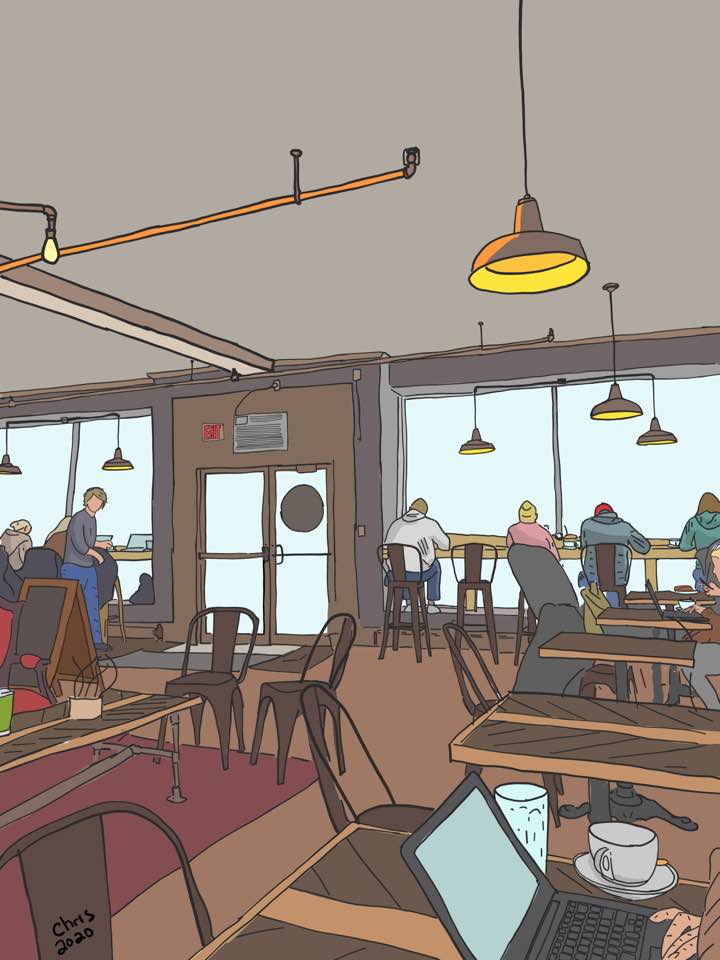
As for me, my single word for 2026 is “independence” and as for what images are starting to find their way to guide me on the goals I have, well they’re the images shared throughout this post.
My creative goals are to finish a book, Develop my illustration style, and to get an online shop up.
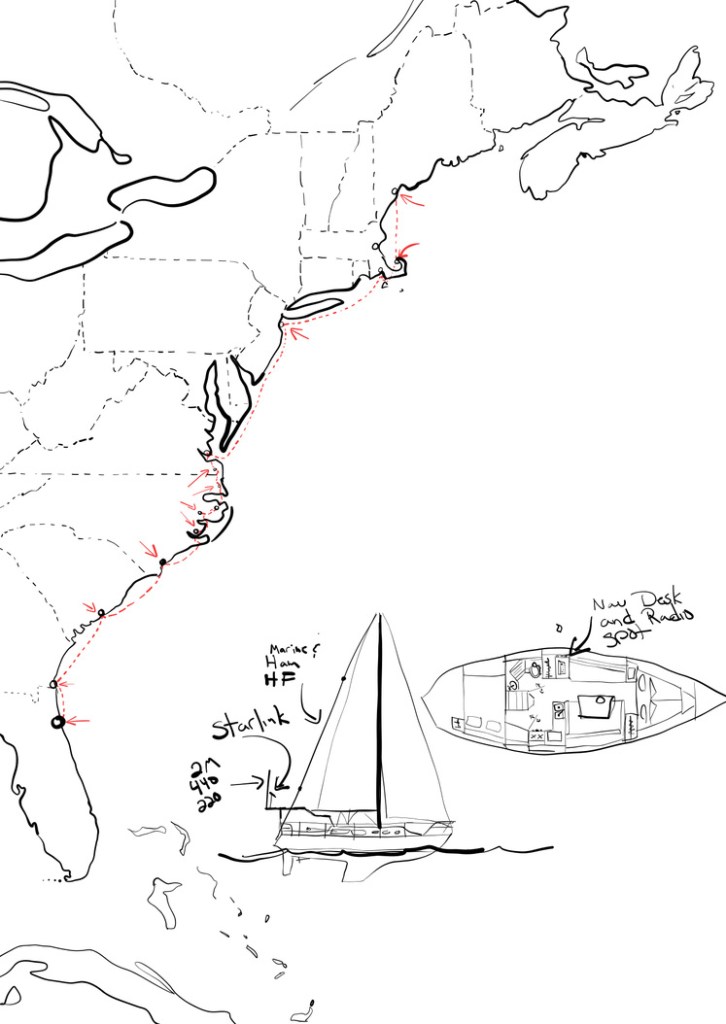
Some life goals are to continue with my roaming along the US East Coast, to make a few modifications to my sailboat home so that it is more self sufficient, and to help my children in their quest to become independent themselves.
What about you? Have you started to consider your creative and life goals for the coming year? Have you been working on your own vision? And do you think having a daily visual reminder could help you stay focused?




 Embracing Creativity
Leave a comment